School of Biosciences
A collaborative community committed to delivering excellent teaching and cutting-edge research

At Aston University, our School of Biosciences offers a dynamic and distinctive learning experience for students passionate about life sciences, health, and biomedical discovery. Our research-led teaching ensures that students gain cutting-edge insights into emerging trends, critical global health challenges, and the latest innovations in bioscience.
We combine rigorous academic study with hands-on practical skills training and real-world research opportunities. From day one, our students are immersed in environments that prepare them for meaningful careers in biosciences, biotechnology, healthcare, and beyond. Our graduates leave Aston not only with knowledge and expertise, but also with the confidence and experience to make an impact.
Research at Aston’s School of Biosciences is deeply rooted in real-world application. Our teams pursue both fundamental and translational research across a broad spectrum of disciplines – from studying model organisms (such as bacteria, nematodes, and fruit flies) to using animal models and conducting human studies. Our goal: to uncover the biological mechanisms underpinning health, disease, and therapeutic innovation.
Collaborative by nature, our research bridges laboratory science with clinical and industrial needs. Our strong partnerships with the NHS, industry leaders, and international institutions drive innovation and ensure that our work delivers tangible societal benefit.
Our vibrant School is powered by a community of dedicated academics, researchers, and professional staff. We foster an inclusive, interdisciplinary culture where students are supported to succeed and researchers are empowered to explore new frontiers in bioscience.
Whether you're looking to launch a career in the biosciences sector, contribute to pioneering research, or gain the skills for further study, Aston University provides the ideal environment to grow, discover, and thrive.
At Aston, several of our flagship degree programmes are professionally accredited by leading industry bodies – a mark of quality and career-readiness that sets our graduates apart.
These biosciences course accreditations reflect our commitment to delivering high academic standards and ensuring that students develop the core knowledge, technical skills, and professional competencies valued by employers across the health and life sciences sectors.
Preparing for careers in the NHS and beyond
Students enrolled in our BSc (Hons) Biomedical Science, Applied Biomedical Science, and Biomedical Science Top-Up programmes benefit from accreditation that aligns with the requirements for working as a biomedical scientist in the NHS. This ensures that, upon graduation, students are equipped with the qualifications and experience necessary to begin their professional journey in healthcare laboratories and clinical settings.
In addition, our MBiol exit programme has been awarded Advanced Degree Accreditation by the Royal Society of Biology, recognising its rigorous scientific training and its alignment with the expectations of graduate-level employment and further study.
These accreditations are an assurance that Aston University delivers programmes that meet the highest standards in biosciences education and career development.
Accrediting bodies include:
Royal Society of Biology (RSB) and Institute of Biomedical Science (IBMS)
Full details on accreditation can be found on our course pages.
We’re proud of the strong links we’ve forged within the sector and our local community. We work closely with colleagues in the NHS, industry, and charitable sectors on a variety of projects, from research, to ‘train the trainers’ sessions, in addition to having clinical staff in the School who work within local hospitals.
Within the School of biosciences, our staff are members of a number of important funding body committees. In 2020, two out of the five Biotechnology and Biological Sciences Research Council (BBSRC) funding panels were chaired by staff from the School: Professor Andrew Devitt, and Professor Roslyn Bill. We also give regular talks at charitable and support groups, provide expert commentary for print and broadcast media, and take part in a wide range of public engagement activities at a local and national level.
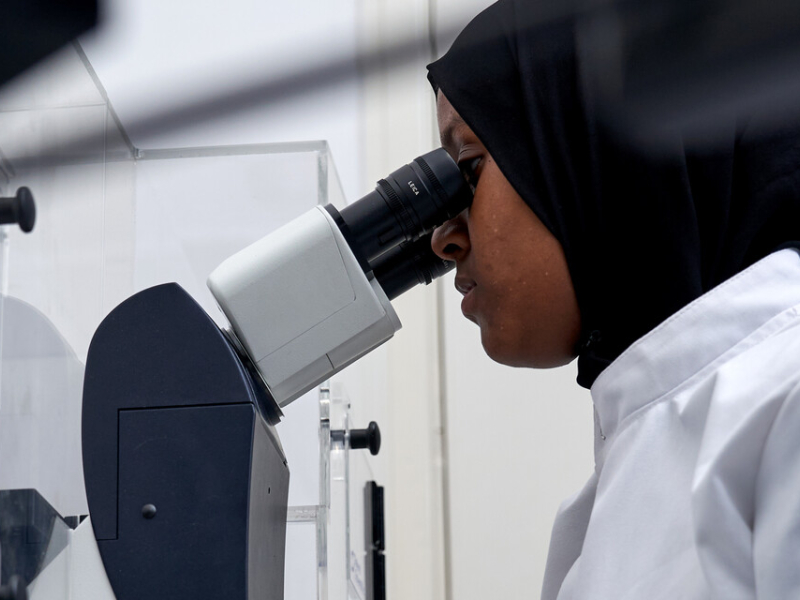
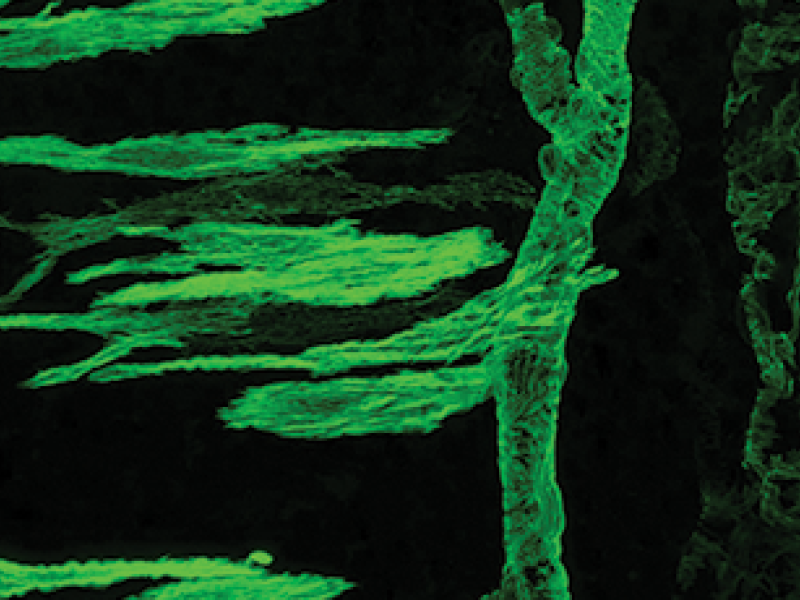
FacilitieTeaching and research within the School is conducted in our on-site biosciences facilities, including a variety of laboratories such as the Mass Spectrometry and Lipidomics Laboratory and ARCHA Advanced Imaging Facility.
In 2020 we invested around half a million pounds to develop two new labs, a new state-of-the-art cell culture laboratory and a molecular biology/biochemistry lab, to support student practical classes, projects and professional lab competency. This has been further supported through new equipment purchases including dedicated flow cytometry for teaching, 20 cell culture cabinets with incubators fridges and freezers, new microscopy equipment and new equipment for the analysis of proteins through electrophoresis. We have a constant program of renewal and improvement of our facilities.
Staff within the School conduct research in a multitude of areas, from our overarching Biosciences Research Group, to the Centres of Excellence; Aston Research Centre for Healthy Ageing (ARCHA) and Aston Centre for Membrane Protein and Lipid Research (AMPL). In addition, we contribute to research in the multi-disciplinary Aston Institute of Health and Neurodevelopment.
We are also a partner institution with several leading research training programmes BBSRC: Midlands Integrative Biosciences Training Partnership, and EPSRC-SFI Joint Centre for Doctoral Training in Engineered Tissues for Discovery, Industry and Medicine.